
Taking Care of Your Tesla: Simplifying the Maintenance Schedule and Cost for Owners
Owning a Tesla means less routine maintenance than a traditional gasoline-powered vehicle, but that doesn’t mean your car is maintenance-free. Tires, cabin air filters, brakes, wiper blades, fluids, and other components still need attention to keep your Tesla safe, efficient, and reliable.
So, how often does a Tesla need maintenance, and how much does Tesla maintenance cost in Canada?
The good news is that Tesla does not require traditional oil changes, spark plug replacements, fuel-system maintenance, or emissions checks. Tesla also does not require an annual maintenance service. Instead, maintenance is performed as needed and according to the recommendations for your specific model and model year.
This guide covers the Tesla maintenance schedule, common maintenance services, tire care, winter maintenance, battery considerations, and what Canadian Tesla owners should know about maintenance costs.
Understanding Your Tesla Maintenance Schedule
The fact that electric vehicles (EVs) require less maintenance is one of their key benefits, especially if you rely on certified technicians. Say goodbye to intricate emission system inspections, spark plug replacements, and oil changes. Teslas are specially made to require the least amount of maintenance possible, saving you time at the service station and more time to enjoy the open road. To guarantee your electric vehicle’s lifetime and efficiency, routine maintenance is still essential.
The maintenance suggestions are regularly reviewed and updated by Tesla experts to maximize your Tesla vehicle’s performance, dependability, longevity, and safety. To guarantee that your car performs at its peak, it’s critical to keep up with these upgrades. Always refer to your model’s handbook to get the most recent maintenance guidelines tailored to your Tesla model, as each model’s guide is unique and Tesla Model 3’s maintenance may vary from Model S.

Suggested Maintenance Services from Tesla
Tesla experts regularly update maintenance intervals via over-the-air manual adjustments to optimize vehicle reliability and safety. Because maintenance needs vary between an entry-level sedan and a performance utility vehicle, always check your specific vehicle’s touchscreen under Controls > Service > Maintenance for real-time status tracking.
Here’s a detailed guide for electric vehicle and Tesla maintenance:
1. Cabin Air Filter Replacement
The air filter in your Tesla prevents dust, pollen, industrial debris, and other pollutants from getting into the cabin through the vents. The suggested replacement schedules are as follows:
- Model 3 and Model Y: Replace the cabin air filter every 2 years.
- Model S and Model X: Replace every 3 years. For vehicles produced between 2012 and 2020, replacement every 2 years is advised.
- Cybertruck: This model does not include a standard cabin air filter.
Also check: Benefits of Changing Your Air Filter
2. High-Efficiency Particulate Air (HEPA) Filter
For models equipped with a HEPA filter, Tesla maintenance costs differ. Here is when to replace it:
- Model S, Model 3, Model X, and Model Y: Replace the HEPA filter and carbon filter every 3 years.
- Cybertruck: Replace every 2 years, or annually if frequently driven off-road or on dirt roads.
3. Tire Rotation, Balance, and Wheel Alignment
- Frequency: Rotate your tires every 6,250 miles, or sooner if the tread depth difference between tires is 2/32 inches or greater.
- Note: Tire wear can be accelerated by aggressive driving or difficult road conditions, requiring more regular maintenance. Wheel misalignment or imbalance can have an impact on steering parts, tire life, and handling. Refer to the Tesla tire care and tire change guide for keeping your tires in good shape.
- While Tesla recommends contacting roadside assistance for a flat tire, if you’re comfortable and have the proper equipment, you can manage a Tesla tire change in Toronto at a qualified tire shop with experience servicing electric vehicles.
4. Brake Fluid & Caliper Preventive Maintenance
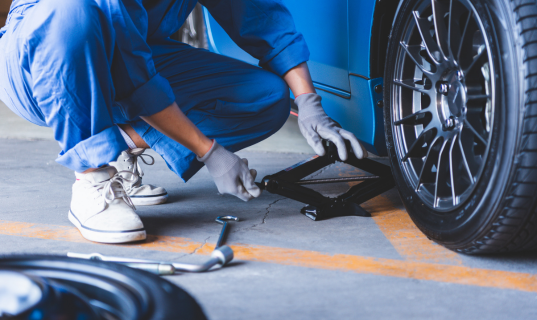
Teslas rely heavily on regenerative braking, which uses the electric motor to slow down the vehicle. While this saves your brake pads, it leaves the physical braking hardware vulnerable to environmental corrosion.
- Brake Fluid Testing: Test brake fluid for moisture contamination every 4 years and replace as necessary. More frequent checks are recommended if you regularly tow trailers, drive in steep mountain terrains, or operate in hot, humid climates.
- Winter Caliper Service (Harsh Climate Care): If you drive in Canadian winter conditions where roads are heavily salted, you must clean and lubricate all brake calipers once a year or every 12,500 miles (20,000 km) to prevent the pads from seizing.
Winter Care
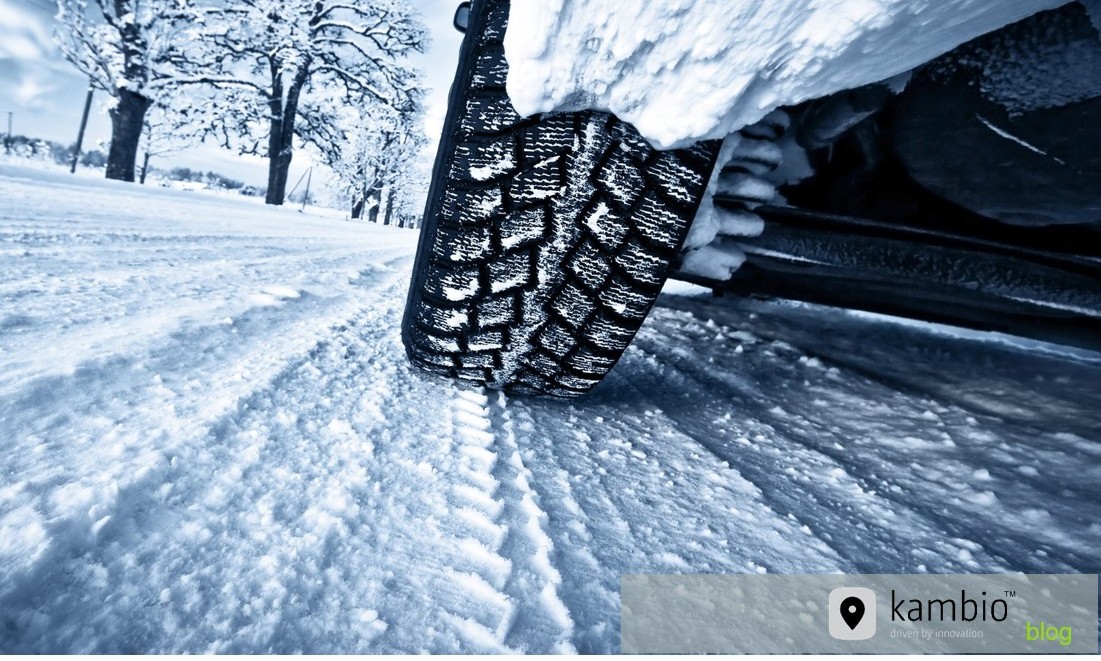
Do you live somewhere with a harsh winter? Here’s a helpful tip to keep your Tesla safe when driving: make sure you winterize those brake callipers! In these areas, experts advise lubricating and cleaning all of the brake callipers once a year, or once the odometer reaches 12,500 miles (20,000 km). This keeps you safe and in control by ensuring that your brakes operate as efficiently as possible during the winter.
Battery Health Check
There’s no specific maintenance task for the Tesla battery itself. However, to maintain the efficiency of your Tesla, checking the battery’s health is crucial. The Tesla system provides notifications regarding battery health, but for a more thorough check, a visit to a professional center. How to check Tesla battery health:
- Go to the “Controls” menu on your touchscreen.
- Select “Software.”
- Tap on “Additional Vehicle Information.”
- Look for the “Battery Health” section. This will display the battery’s current health percentage.
Exploring the Maintenance Cost of a Tesla in Canada
Maintaining a Tesla in Canada offers substantial savings over traditional luxury vehicles, both in terms of routine upkeep and unexpected repairs. Here’s a breakdown of what Tesla owners might expect when it comes to the cost of Tesla maintenance and the overall Tesla maintenance cost in Canada.
Cost Efficiency of Tesla Maintenance
When it comes to maintenance and repair expenses, Tesla automobiles have an excellent track record. The average cost of maintenance and repairs over the first ten years of operation is around $5,867. Compared to the premium car industry average, which is around $6,177 greater, this is far lower. Furthermore, compared to the industry average, the probability of requiring major repairs for Tesla vehicles is lower—just 9.82%. This dependability outperforms that of other luxury automakers by 25.27%.
Any service that costs more than $500, including labour and components, is referred to as a “Major Repair”.
Routine Tesla Maintenance Costs
Tesla vehicles benefit from having fewer moving parts than traditional internal combustion engine vehicles, eliminating the need for oil changes, emission checks, or spark plug replacements.

Here’s a look at some typical costs for routine maintenance items, based on data gathered from forums and Tesla owners:
- Tire Rotation: $35 to $100
- Cabin Air Filter Replacement: $60 to $200
- Wiper Blade Replacement: $20 to $50
- Full Service (inspection plus items above): $475+
- Brake System Flush: $100 to $200
- Air Conditioning Service: $50
Long-Term Tesla Maintenance Plan Costs
If you adhere to Tesla’s “as-needed” maintenance schedule and use a Tesla service center for all services, the costs over five years, assuming the higher end of service fees, would look something like this:
- Year 1: Tire rotation at $100
- Year 2: Full service including air conditioning at $525
- Year 3: Tire rotation at $100
- Year 4: Full service including brake system flush at $585
- Year 5: Tire rotation at $100
Being a Tesla owner means embracing the electric revolution with a vehicle renowned for its thrilling performance and environmentally beneficial features. However, one issue can still remain: how much will it cost, and how do I maintain it? Positively, compared to conventional cars, Teslas require less maintenance, which saves you both money and effort. Your Tesla will work smoothly for many years to come if you adhere to the advice in this article and adopt a simpler maintenance schedule, which will enhance your pleasure in driving an electric vehicle.
FAQ
1. How much does it cost to maintain a Tesla per year in Canada?
The average routine maintenance cost for a Tesla in Canada ranges from $100 to $550 CAD per year, depending on the service interval. During years requiring only tire rotations (Years 1, 3, and 5), costs remain close to $100. Years requiring cabin filter replacements, brake fluid flushes, and A/C desiccant swaps (Years 2 and 4) average between $525 and $585 CAD.
2. How do I check my Tesla battery health on the touchscreen?
To perform a manual check of your Tesla battery status directly from the cabin, execute the following steps:
- Tap the Controls (gear icon) menu on the lower edge of your touchscreen.
- Select the Software tab from the sidebar menu.
- Tap on Additional Vehicle Information.
- Locate the Battery Health metric to view your current maximum operating capacity percentage.
(Note: For advanced data tracking, owners can access the hidden Tesla Service Mode to trigger a full battery capacity degradation test).
3. How often do you need to service Tesla brakes in Canada?
Tesla requires a brake fluid contamination check every 4 years. However, for cold-climate regions like Canada, Tesla officially mandates that owners clean and lubricate all brake calipers every 12 months or 12,500 miles (20,000 km). This prevents road salt and winter brine from causing physical brake components to rust, seize, or drag.
4. What is the tire rotation interval for a Tesla Model 3 and Model Y?
Tesla recommends rotating your tires every 6,250 miles (10,000 km), or immediately if the tread depth disparity between any two tires measures $2/32$ inches ($1.5 \text{ mm}$) or greater. Regular tire rotations neutralize the uneven wear patterns caused by heavy battery distribution and high instant torque.